In a nutshell
- 🌙 A strategic evening lighting swap—warm 2700K–2200K at 40–60%—reduces decision fatigue and invites soft fascination, making nightly tidying feel soothing.
- 💡 Practical routine: switch off overheads, use dimmable LEDs, set a 10–12 minute timer, and zone tasks with one focused lamp; automate via smart plugs and a “Reset” scene.
- 🗺️ Room targets: Living room 40–60%, kitchen under-cabinet 50–70%, bedroom 30–50%; layer task lighting for visibility and safety while keeping ambience calm.
- ⚖️ Pros vs Cons: calmer mood, better sleep cues, and sustainable habits versus risk of missed grime; use a hybrid—nightly warm-light reset plus a weekly bright pass.
- 🏠 Case study: A London flat paired mood lighting with zones and a short playlist, delivering faster, kinder cleanups—evidence that mood leads behaviour.
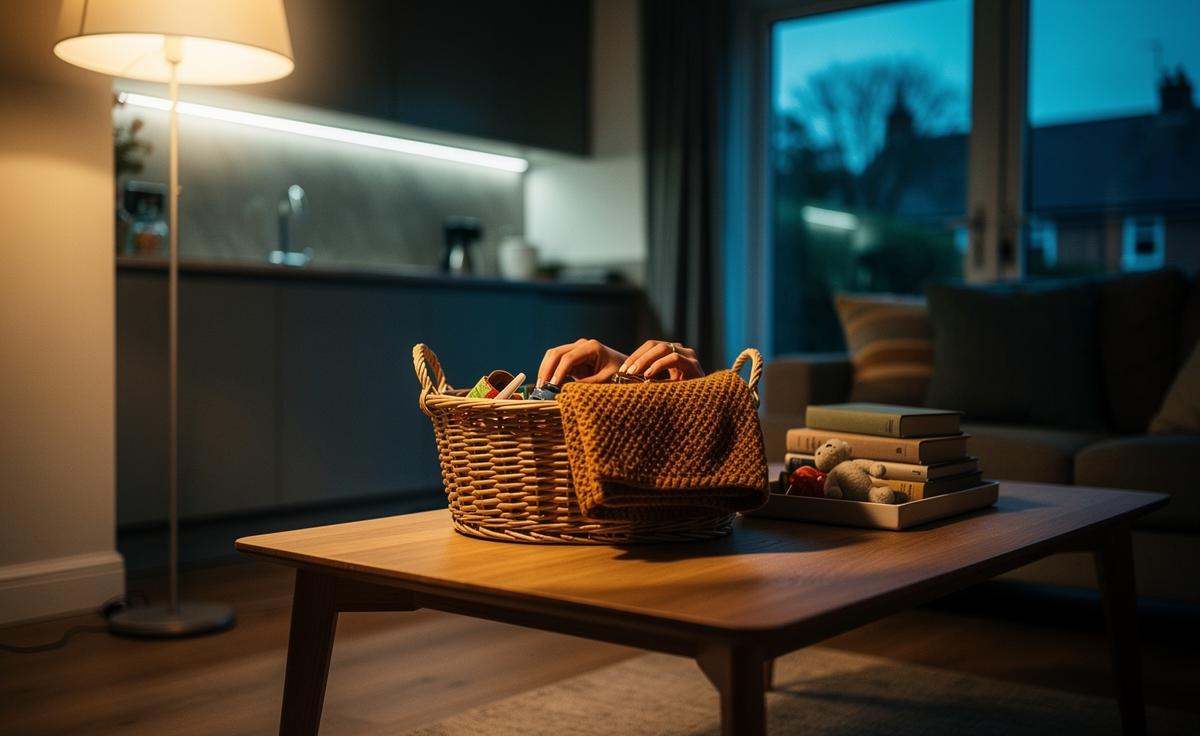
Swap the glare for a glow, and the nightly tidy suddenly feels less like a chore and more like a gentle exhale. As evening settles, a deliberate change in lighting cues the brain to downshift, turning repetitive tasks into a soothing rhythm rather than an endurance test. In homes across the UK, households are discovering that a simple evening lighting swap—moving from bright, cool overheads to warmer, dimmer lamps—reduces decision fatigue and boosts follow-through. When the room softens, your standards soften too, making it easier to do what matters and ignore what doesn’t. This isn’t about dimming productivity; it’s about designing a calmer path to clean, every night.
Why Dimmer Evenings Make Tidying Feel Easier
There’s a physiological anchor here: bright, cool light rich in blue wavelengths keeps the brain alert and can suppress melatonin. By contrast, warmer, lower-intensity light mimics dusk and signals the body to unwind. In that state, we tackle low-stakes tasks more fluidly. A softer scene reduces visual noise, so the mess feels finite and fixable rather than sprawling and accusatory. That’s crucial at the end of a long day, when decision fatigue peaks and perfectionism hijacks momentum.
Lighting also shapes attention. A single side lamp casts a cone of focus that naturally chunks tasks—just the coffee table, then the sofa, then the sink. This narrower field invites “soft fascination” (a concept from attention restoration theory), the gentle engagement that makes repetitive sorting or wiping feel almost meditative. Crucially, dimmer does not mean dingy: aim for 40–60% brightness with colour temperatures of roughly 2700K–2200K. Think golden hour, not cave. In this pocket of calm, you can move with unhurried purpose—folding, corralling, resetting—without the jittery push of daylight mode, and that is where easy, nightly tidying takes root.
A Practical Lighting Swap Routine for Calm Cleanups
Set a predictable “lights-down” routine that pairs ambience with action. About an hour before bed, drop overheads and turn on lamps or dimmable LEDs with warm tones. Anchor the cleanup to a cue—brew herbal tea, start a mellow playlist, set a 10-minute timer—and keep the scope tight: surfaces, floors, sink, rubbish. Consistency, not intensity, is what keeps the home quietly under control.
- Switch to lamps at 40–60% brightness; choose 2700K–2200K bulbs.
- Use one task light to spotlight your current zone.
- Set a short timer to prevent over-tidying and late-night spirals.
- Finish with a micro-reward—fresh water by the bed, a book laid open.
To make the swap turnkey, match rooms to specific bulbs and targets:
| Room | Best Bulb Type | Target Temp (K) | Brightness for Tidying | Note |
|---|---|---|---|---|
| Living Room | Dimmable LED lamp | 2200–2700 | 40–60% | Use one lamp to create task zones |
| Kitchen | Under-cabinet strips | 2700 | 50–70% | Spotlight counters; keep floors visible |
| Bedroom | Warm filament-style LED | 2200 | 30–50% | Reserve for laundry fold-and-put-away |
Automations help: schedule smart plugs, set dimmer scenes, and name one “Reset” preset. When the lights shift without effort, the habit follows.
Pros and Cons of Low-Light Tidying
Low-light tidying is quietly powerful, but not perfect. Here’s the clear-eyed view:
| Pros | Cons |
|---|---|
| Reduces visual overwhelm and perfectionism | Can hide grime that needs bright-light checks |
| Encourages gentle, sustainable nightly habits | Risk of missed hazards without task lighting |
| Supports circadian wind-down and better sleep | Not ideal for detailed tasks like stain-spotting |
| Creates cosy ambience that makes tidying pleasant | Requires upfront bulb and dimmer setup |
Why brighter isn’t always better: intensity amplifies scrutiny, which often kills momentum at bedtime. That said, there’s a simple hybrid approach. Do the reset in warm, dim light—surfaces, dishes, cushions, bins—and reserve a weekly “bright pass” for detail work. Keep a clip-on task light in the cleaning caddy for safety around stairs or toys. If your home is busy with pets or children, layer light: one soft room lamp plus a focused beam where feet land. This gives you the calming mood without compromising visibility where it matters.
Case Study: A London Flat Turns Down the Lights
In my South London flat, evenings used to stall at the sink: harsh overheads made every splash and smear demand attention, and we drifted to bed late and annoyed. We tested a two-week swap—lamps on at 9 p.m., under-cabinet strips at half strength, and a 12-minute playlist as our metronome. The change was immediate: the room looked kinder, and the job felt finite.
We broke the tidy into zones that matched the lighting: the lamp ringed the coffee table for clearing; a clip-on beam marked the shoe rack; the kitchen strips traced a path along counters. The work didn’t change, but the mood did. Without the interrogating glare, we skipped over nitpicking and focused on resets: cushions aligned, mugs washed, toys corralled. A weekly Sunday “bright pass” caught the detail—limescale, crumbs, marks—without poisoning the weekday wind-down. It proved a lesson in design: mood leads behaviour. For renters, it’s also flexible—smart plugs, dimmable bulbs, and portable lamps create the effect without drilling holes or rewiring.
In the end, the evening lighting swap is a small domestic edit with oversized returns: a calmer brain, a faster tidy, and a home that greets you kindly in the morning. Warm, dim light lowers the stakes so you actually start—and then finish. If you’ve been chasing better habits, try changing the scene rather than your willpower: swap the bulbs, set a preset, and let the room guide you. What one lighting tweak could you make tonight that would nudge your home—and your head—towards a gentler bedtime reset?
Did you like it?4.5/5 (24)