In a nutshell
- 🌬️ A short, decisive morning airing replaces stale indoor air, diluting VOCs, lowering CO₂, and reducing humidity; aim for cross‑ventilation and a 10–20 minute sweet spot.
- 🕒 Follow a routine: bathroom first, then bedrooms, then living areas; set a timer, close internal doors to “sweep” airflow, use window restrictors for safety, and time openings around showers and pollen peaks.
- ⚖️ Pros vs. Cons: rapid odour removal, mould deterrence, and a mental lift vs. potential heat loss, pollution/pollen ingress; longer isn’t always better due to diminishing returns after 1–2 air changes.
- 📊 Real-world data: a London flat saw CO₂ fall from ~1,100 to ~600 ppm and RH drop from mid‑60s to ~50% within 15 minutes, with most gains in the first 10–15 minutes.
- 🧭 Practical add-ons: pair airing with extractor fans, a hood vented outside, or MVHR; adjust by season and monitor with a hygrometer for precision without energy waste.
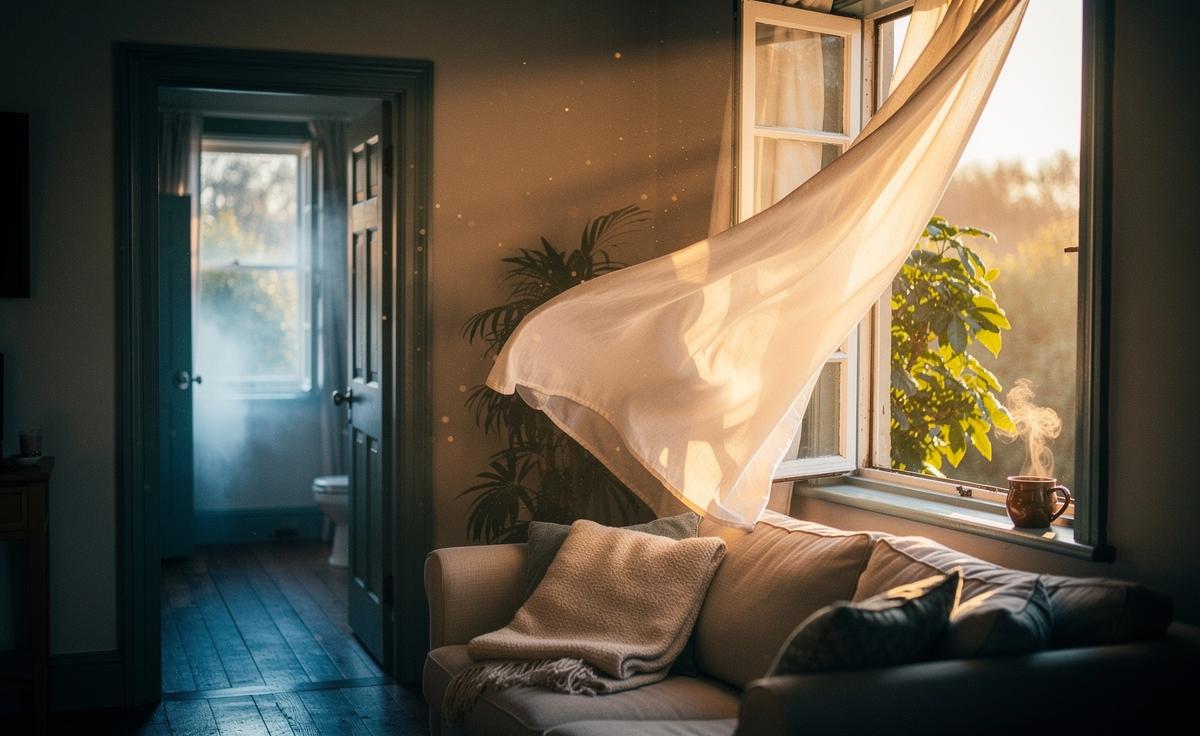
Before the kettle whistles and the inbox fills, there’s a quiet ritual that transforms a home: opening the windows wide. A simple morning airing habit flushes out stale odours, tames overnight humidity, and restores that crisp, outdoor brightness to rooms. Ten minutes of fresh air can achieve what a fistful of scented candles can’t: dilution and removal of the gases and particles that actually cause smells. In Britain’s temperate climate—cool mornings, mild breezes—this works with minimal heat loss if timed well. Here’s how a daily breeze banishes funk, the science that makes it effective, and practical steps to build it into your routine without spiking energy bills or inviting pollutants in.
Why Morning Airing Works
Overnight, we shed skin cells, exhale CO₂, and release volatile organic compounds (VOCs) from bedding, paint, and cleaning products. Kitchens add cooking fumes; bathrooms contribute damp. These accumulate because most homes are buttoned up during sleep. Morning outdoor air is typically cooler and drier, which means it can “absorb” indoor humidity and odours more effectively when it flows through. Opened windows create pressure differences that pull stale air out and draw fresh air in—especially if you crack openings on opposite sides for cross‑ventilation.
Humidity is crucial. High relative humidity (RH) traps smells in soft furnishings and encourages mould and dust mites. A short, brisk airing often knocks RH into a healthier 40–60% band, making odours less persistent and rooms feel tangibly fresher. Unlike masking with sprays, ventilation physically removes odour molecules, moisture, and aerosols. It also helps stabilise the home’s dew point, reducing condensation on windows and cold corners. Combined, these tiny shifts explain why a post‑airing room smells “like outside”: you’ve replaced air rather than perfumed it.
A Step‑By‑Step Routine You Can Stick To
Think of airing as a timed exchange, not an all‑day draught. In most UK homes, 10–20 minutes of wide‑open windows in the morning achieves a meaningful air change without tanking room temperature. Aim for cross‑breeze: a window in the bedroom and another in the hall or living room. If security is a worry at ground level, pair an upper‑floor window with a trickle vent downstairs, or use restrictors that still allow a slot of airflow. Close internal doors to “sweep” air along a simple front‑to‑back path rather than bleeding into unused rooms.
Time it after showers and before cooking. Bathrooms benefit most from early ventilation; let steam escape before it condenses. In winter, pre‑warm radiators slightly so surfaces don’t cool below dew point. Allergy season? Choose airing windows outside peak pollen times (often mid‑morning) and keep a microfibre cloth ready to dust window sills as particles settle. Key idea: short, decisive bursts beat timid vents left ajar all day, especially during heating months.
- Cross‑ventilate: two openings, opposite sides if possible.
- Set a timer: 12–15 minutes is a reliable starting point.
- Sequence: bathroom first, then bedrooms, then living areas.
- Safety: use restrictors; never leave wide openings unattended.
Pros vs. Cons and Why Longer Isn’t Always Better
Pros include rapid odour removal, lower indoor CO₂, reduced humidity, and the psychological lift of fresh air—daylight and breeze cue wakefulness better than coffee. You also discourage mould by drying surfaces and fabrics. For those line‑drying clothes indoors, a short airing disperses moisture to prevent that “wet‑laundry” tang. Crucially, ventilation tackles causes, not symptoms: it clears air of VOCs and fine aerosols rather than covering them with scent.
Cons exist. In high‑pollution areas or on still, damp mornings, you may import traffic fumes or extra moisture. In winter, prolonged airing wastes heat; in summer, you might raise indoor temperature if you air during hot afternoons. People with pollen allergies may need to time openings earlier or later than peak counts. Why longer isn’t always better: after one or two full air changes, returns diminish—odours are largely diluted, yet heat loss and pollen ingress continue. The smart approach is “short and strategic”: monitor the feel of the air and your RH if you have a hygrometer, then close up promptly.
- Best times: early mornings or late evenings, when outdoor air is cooler and calmer.
- Avoid: rush‑hour kerbside pollution, high pollen peaks, or heavy fog/drizzle.
- Alternative aids: trickle vents, cooker hoods vented outside, and MVHR in airtight homes.
Data From a Week in a London Flat
To ground the habit in numbers, I ran a simple test in my South London flat using a consumer monitor (directional, not lab‑grade). Each morning, I opened bedroom and hallway windows fully for 15 minutes. I recorded CO₂ and RH before and after. The pattern was consistent: a swift drop in CO₂ and humidity, with the room feeling drier and noticeably fresher. Even on a drizzly day, the short burst prevented the clammy feel that feeds musty smells. This small sample isn’t a clinical study, but it mirrors what building scientists recommend: quick, decisive ventilation beats passive waiting.
| Day | CO₂ Before (ppm) | CO₂ After (ppm) | RH Before (%) | RH After (%) |
|---|---|---|---|---|
| Mon | 1,150 | 620 | 63 | 52 |
| Tue | 1,080 | 580 | 61 | 49 |
| Wed (drizzle) | 1,210 | 640 | 66 | 55 |
| Thu | 1,000 | 560 | 58 | 47 |
| Fri | 1,130 | 600 | 62 | 50 |
Note how the big gains arrive in the first 10–15 minutes; further airing produced marginal changes. This is the sweet spot for freshness without energy waste. Pair it with extractor fans after showers and a cooker hood that vents outside, and you’ll solve most odour issues at the source.
Morning airing isn’t a lifestyle flourish; it’s a small, repeatable intervention with outsized impact on comfort and health. By purging VOCs, reducing humidity, and refreshing CO₂ levels, it confronts odours head‑on. Add seasonal tweaks—earlier openings in summer, shorter bursts in winter—and use simple tools like hygrometers to keep the routine honest. If sprays are the perfume, ventilation is the bath: it gets rid of what causes the stink. How will you tailor a 10–20 minute daily breeze—windows, timing, and safety—to make your rooms smell like outside again?
Did you like it?4.6/5 (20)